Hawai‘i Tech Academy

Exploring Nature Through Moʻolelo (stories)

Call: 808.446.4672 | Email: Click Here

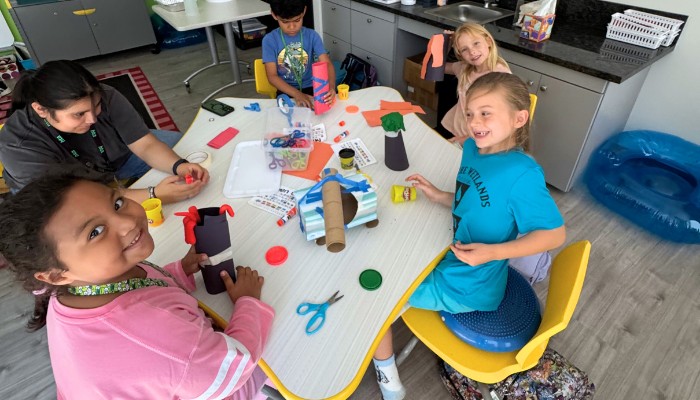
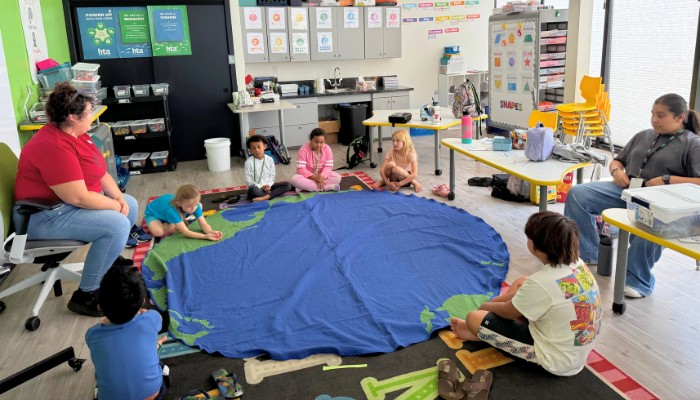
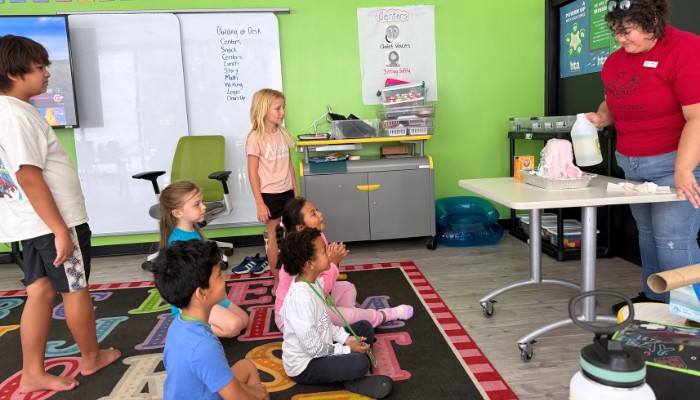
Hawai‘i Nature Center presents Exploring Nature Through Moʻolelo—a fun, hands-on program, exclusively for HTA Kihei students that will inspire curiosity about the natural world while teaching  conservation and stewardship. Offered through Hawai‘i Tech Academy’s After School Program, students will explore the unique ecology, plants, and animals of Hawai‘i through mo’olelo or Hawaiian stories. The program is designed to inspire curiosity about the natural world while teaching the value of storytelling and place-based knowledge. Keiki will learn about watersheds, plants, animals, and weather systems through games, crafts, and activities.

Contact Maui Program Director Rachael Taylor to learn more. Families can support our Maui-wide programs with a drive for items from the Maui Wish List.
Spring flyer

Spring 2026 HTA-Kīhei After-School Series | January 23 – May 22 | For ages 6 to 12

 Registration is closed.

 Weekly on Fridays from 1:30 – 2:45 pm
Closed:  February 13, March 20 Spring Break & April 3 Good Friday
Full Semester: $270 + fees (Covers all 15 weeks. Daily rates not offered.)

Exploring Nature Through Moʻoleo (Stories)

Students will explore the unique ecology, plants, and animals of Hawai‘i through mo’olelo or Hawaiian stories and legends. The program is designed to inspire curiosity about the natural world while teaching the value of storytelling and place-based knowledge. Keiki will learn about watersheds, plants, animals, and weather systems through games, crafts, and activities.

Book online now

sustainability icon
January 23

Introduction to Mo‘olelo & Kilo

What are moʻolelo? Explore how mo‘olelo teach us about nature in Hawai‘i through observation and storytelling. Students create nature or tree name tags, then share their names and short personal stories, connecting cultural practice with scientific observation.
Waves icon
January 30

Maui Snaring the Sun

Māui slows the sun. Students learn how all living things rely on the sun. Through an interactive food chain activity, they dress as plants and animals to explore energy flow and understand the sun’s essential role in sustaining life.
February 6

The Birth of the Islands: Pele and Hi‘iaka

Pele’s volcanic journey across the archipelago. Discover how Hawai‘i’s islands were formed through volcanism and hotspot theory. Students explore Earth’s interior with hands-on demonstrations and create an Earth’s layers craft to deepen understanding of island formation.
February 20

Pueo the Hawaiian Owl and Adaptations

Pueo and Pueonuiokona (Maui Pueo). Learn the story of Pueo and Maui Pueo while exploring bird adaptations. Through nocturnal animal lessons and games, students discover echolocation and traits that help Hawaii’s nighttime animals survive in dark environments across the islands.
sustainability icon
February 27

Naupaka and Native Plants

Discover the Naupaka half flower story while learning about native plants and traits. Students practice identifying features, then join a guided walk playing plant bingo and observing Hawaii’s diverse landscapes with curiosity and scientific description.
March 6

Honu and Navigation

Honu as Aumakua. Explore why protecting the Honu matters. Students investigate pollution through garbology, track trash impacts, sort materials by decomposition time, and create mosaic art using collected marine debris from local coastal environments.
March 13

Menehune and Fishponds

Menehune who built fishponds. Hear the Menehune fishpond story while learning sustainability and Hawaiian food systems. Students explore how fishponds function through discussion and an active game inspired by Sharks and Minnows teamwork that emphasizes cooperation resource management skills.
March 27

Rain, Clouds, and the Water Cycle

Examine traditional knowledge of Ua while studying the water cycle. Students learn water phases, cloud types, and atmosphere movement, then create hanging art illustrating how water connects land, sky, and ocean systems visually creatively together.
water drop icon
April 10

Mo‘o and Watersheds

Explore Moʻo stories from Maui to understand watersheds. Through interactive activities and demonstrations, students see how runoff moves pollutants, connects ecosystems, and learn empowered ways to care for their entire watershed from mountains to sea.
April 17

‘Ōhi‘a, Lehua, and Endemic Species

Learn the moʻolelo of ʻŌhiʻa and Lehua while studying endemic species. Through the Ohia For Our Future board game, students explore threats, importance, and actions to protect this vital forest species for Hawaii’s ecosystems longterm.
party icon
April 24

Kamohoali‘i and Ocean Animals

Story of Pele’s older brother – The Shark God, Kamohoaliʻi. Students learn ocean adaptions and play an echolocation game to understand how dolphins and sharks locate prey underwater using sound movement teamwork and sensory awareness.
Kalo Graphic Icon
May 1

Hala/Kalo and Protecting the ‘Āina 

The story of Haola and Kalo. Students explore our connection to ʻāina. Students will collaborate to define land relationships and create kalo leaf posters expressing how they care for nature as responsible community members together.
May 8

Kumulipo and Coral

One of the very first things formed in the Kumuliop is Coral – Koʻa. Learn how Koʻa appears in the Kumulipo while studying reef ecosystems. Students explore coral threats, then conduct a mock transect study identifying coral types and health through hands on observation like marine scientists underwater.
May 15

Hina and the Moon

Explore Hina, moon goddess, to understand moon phases and tides. Students identify today’s moon using guides, discuss its meaning, and create drawings showing the lunar cycle through hands on observation and storytelling together in class.
tree icon
May 22

Create Your Own Mo‘olelo

During the final week, students reflect on moʻolelo learned, retell favorites, or create new nature stories. Using art supplies, they craft props and review why storytelling teaches environmental care across generations cultures and island communities.

MAUI EDUCATION TEAM

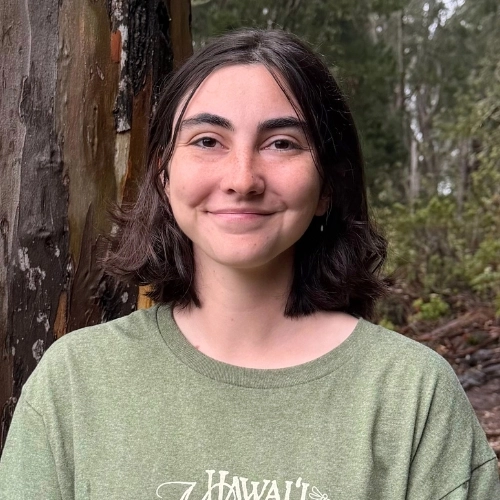
Rachael Taylor
Maui Program Director
BreeLyn DuPertuis
Environmental Educator
Ashlee Wells
Environmental Educator
Daniella Welsh
Environmental Educator

Hawai‘i Nature Center Maui School Program Fees

For Title 1 Schools

$425 (up to 60 students)

$300 (up to 40 students)

$225 (up to 20 students)

For Schools with Single Booking

$775 (up to 60 students)

$575 (up to 40 students)

$375 (up to 20 students)

For Schools with Multiple Bookings

$700 (up to 60 students)

$525 (up to 40 students)

$325 (up to 20 students)

Keālia Pond NWR is one of our partner sites and we are seeking more.

tree icon
1,000,0000
KEIKI EDUCATED
water drop icon
108
OAHU SCHOOL PARTNERS
recycle icon
22
MAUI SCHOOL PARTNERS
sun icon
927
VOLUNTEERS

You are donating to : Greennature Foundation

How much would you like to donate?
$10 $20 $30
Would you like to make regular donations? I would like to make donation(s)
How many times would you like this to recur? (including this payment) *
Name *
Last Name *
Email *
Phone
Address
Additional Note
paypalstripe
Loading...